SMARTERehab - Advanced Concussion, Body Image & Midline Presentations
Advanced concussion rehabilitation using body image, midline and motor imagery approaches. Assessment and treatment of oculomotor, vestibular, postural, neurocognitive and behavioral deficits. Taught in English by Sean Gibbons (SMARTERehab). No prerequisite. Cours donné en anglais.
Instructeur
Offert en cours privé
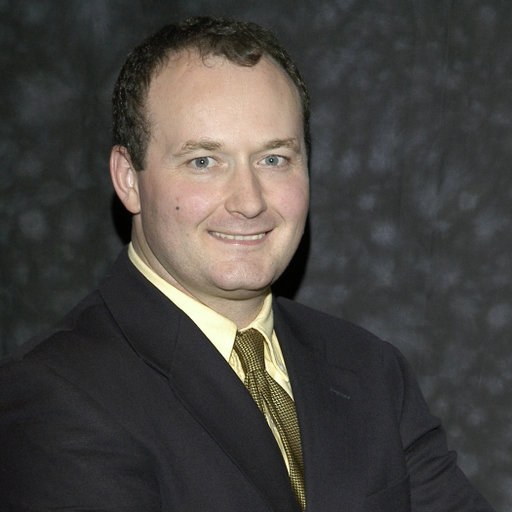
Cours donné par Sean Gibbons (SMARTERehab). Cours donné en anglais.
Description du cours
A sub-group of patients have very poor coordination and cannot improve with traditional rehabilitation. They also have significant deficits in sensory motor function, midline awareness and lack postural reflexes. Ninety percent will also have neurocognitive deficits and retained primitive reflexes. These deficits adversely influence normal motor control and make it almost impossible for them to learn specific motor control exercises.
Primitive reflexes (PR) are brain stem-mediated, complex automatic movement patterns that commence in utero. If PR persist beyond their average lifespan they may begin to interfere with proper CNS development and could indicate neurological impairment. PR can also reappear due to altered sensory input into the CNS (musculoskeletal injury) or altered processing — such as concussion. The presence of significant PR can interfere with normal rehabilitation and indicates altered CNS neurocognitive processing.
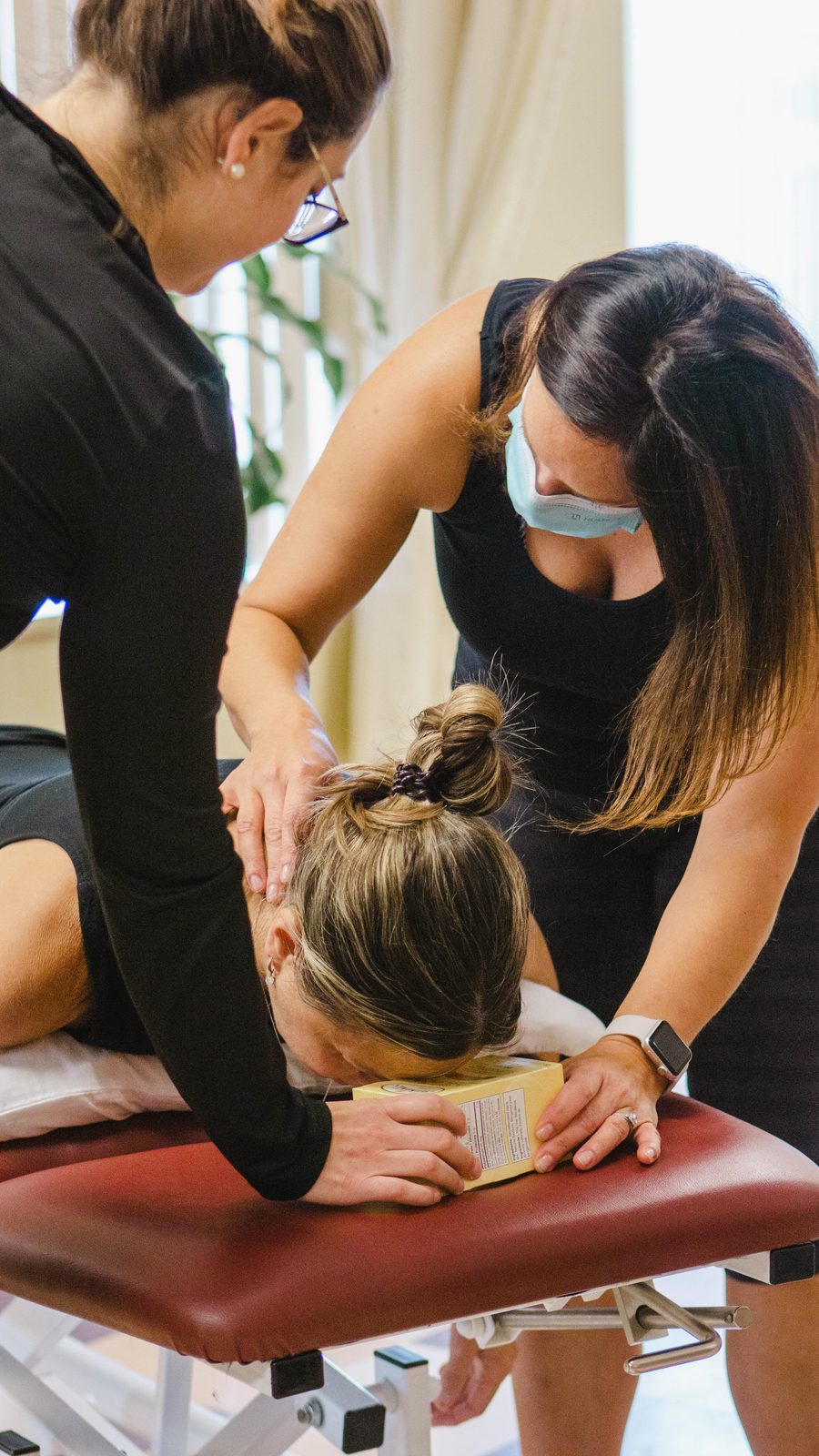
During this two-day course, we will show you how to sub-classify patients based upon their ability to learn specific motor control exercises. The Motor Control Abilities Questionnaire is an easy-to-use instrument developed to predict this and has high accuracy. The practical sessions cover specific strategies to assess and rehabilitate postural stability, oculomotor function, proprioception, tactility, midline awareness, and postural reflexes. A key aspect of neuroplasticity is focused attention, and this is applied to specific sensory motor challenges.
The course also covers the assessment and rehabilitation of primitive reflexes in detail. Strategies for treatment in the clinic and home exercises will be described. The course emphasizes a structured model for clinical problem solving with appropriate clinical starting points and suitable progression of therapeutic exercise. Specific examples will be used to show how primitive reflex inhibition can immediately improve movement and motor control.
This is an evidence-based course. Several clinical studies of varying levels of evidence support the use of primitive reflex inhibition to improve neurocognitive function, reduce pain and disability, and facilitate the learning of specific motor control exercises.
The course material has direct applications in concussion rehabilitation, neurology, pediatrics and in helping regular clients learn exercises more quickly.
Prerequisite: Sub-classification course. It is recommended to also complete the Sensory Motor and Primitive Reflexes courses.
Objectifs spécifiques du cours
- Identify clients who will unlikely learn or progress with specific stability exercises (subjective history, Motor Control Abilities Questionnaire, physical assessment).
- Understand the role of primitive reflexes in pain, neurocognitive function and motor control, including their reappearance following concussion or musculoskeletal injury.
- Assess and rehabilitate sensory motor function — including oculomotor, proprioceptive, vestibular, tactile and midline systems — and recognize how deficits influence pain, movement, stability and neurocognitive function.
- Assess and rehabilitate primitive reflexes and recognize how they influence pain and motor control.
- Use primitive reflex inhibition strategies to improve motor control, tone and pain.
- Appreciate the types of motor and neurocognitive deficits that occur with pain and concussion.
- Prescribe exercises for patients to improve neurocognitive learning function and general coordination.
- Apply the Universal Problem Solving Model of Motor Control to make exercises easier or harder for all patients.
Public cible
Physiotherapists. No prerequisite. The midline and body image concepts have widespread implications for pediatric, vestibular, concussion and musculoskeletal rehab.
Nous offrons des cours privés
Inscrivez-vous à un cours et transformez votre carrière en physiothérapie dès aujourd'hui.



Nos formateurs
Des formateurs passionnés qui guident chaque étudiant vers l'excellence clinique.

Sean Gibbons
Physiotherapist, research director and lecturer at SMARTERehab, internationally recognized for turning complex musculoskeletal pain into bite-size, evidence-based interventions.
Restez à jour avec les tendances et techniques de l’industrie
Rejoignez les professionnels qui transforment leur pratique clinique chaque jour.

FAQs
Trouvez les réponses aux questions qui vous préoccupent.
Prêt à transformer votre pratique?
Inscrivez-vous à un cours et transformez votre carrière en physiothérapie.